 By Claire Whitaker
Updated November 2026
If you want to compare smart home devices across two major platforms, the choice usually comes down to what you already own and how you plan to control it. Amazon Alexa suits homes built around Echo speakers and a wide range of third-party gear, while Google Home fits people who rely on Android phones, Google accounts and Nest hardware. Both are capable, so the better pick depends on your existing devices and daily habits.
| Criteria | Amazon Alexa | Google Home |
|---|---|---|
| Device compatibility | Very broad, with thousands of supported brands | Broad, with strong support from Nest-branded and Matter-certified gear |
| Setup method | Alexa app, device discovery by voice or app scan | Google Home app, guided pairing with Nest-style prompts |
| Routines and automation | Routines triggered by voice, schedule, or sensor events | Routines and automations tied to Google Assistant and presence detection |
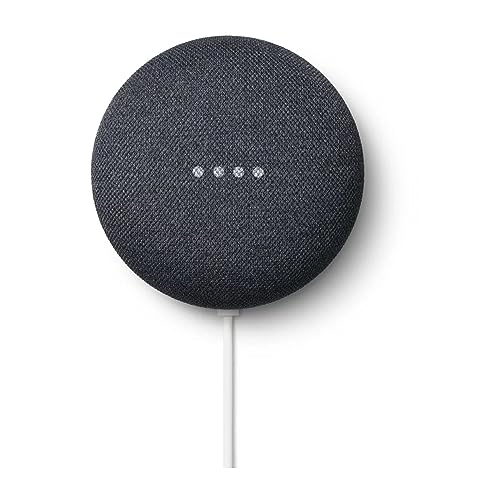
| Voice assistant hardware | Echo speakers, displays and Echo Show models | Nest Mini, Nest Hub and Nest Audio speakers |
| Privacy controls | Voice history and recording review in the Alexa app | Activity controls and auto-delete settings in the Google Home app |
Device Compatibility
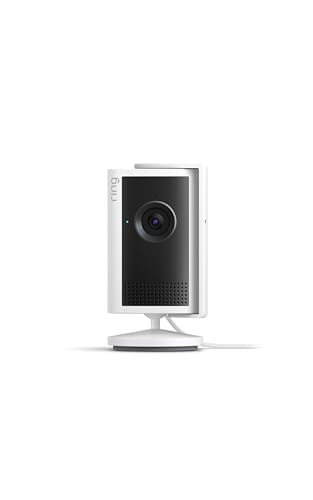
Alexa has the longer track record with third-party brands, and manufacturers often list Alexa support first. If your home already includes smart plugs, bulbs or cameras from a mix of makers, Alexa usually has a skill or native integration for them. Google Home has closed much of that gap through Matter, so for newer Matter-certified devices the two platforms are closer than they once were. Winner: Alexa for the widest existing brand coverage.
Setup and Daily Control
Both apps walk you through pairing, but the Google Home app tends to present a cleaner device layout with rooms and favorites grouped on one screen. Alexa’s app is more granular, which helps once you have dozens of devices and want custom routines. Expect initial setup to take about the same time on either platform for a basic starter set of three to five devices. Winner: Google Home for a simpler first-week experience.
Automation and Routines
Alexa routines support time triggers, voice phrases, and device state changes, and they can chain several actions together. Google Home automations lean on presence detection through phones and Nest devices, so lights or a thermostat can adjust when someone arrives. Presence-based automation is handy, but it depends on phones staying connected. Winner: Alexa for flexible, multi-step routines.
Privacy and Data Controls
Both companies let you review and delete recorded voice interactions, and both offer settings to limit what is stored. Google’s auto-delete options are straightforward to set once and forget. Alexa gives finer control over which recordings are kept and where they are reviewed. Winner: Tie, with the best choice depending on whether you want simple defaults or detailed settings. For another angle, check out Smart Home Devices Comparison (2026): Hub-Based vs Wi-Fi Setups.
Pros and Cons
Amazon Alexa
- Pro: Widest third-party device support and the most integrations.
- Pro: Powerful routines for multi-step automation.
- Con: The app can feel crowded once you add many devices.
Google Home
Which Should You Choose?
- Choose Alexa if you own many brands of smart plugs, bulbs or cameras and want the broadest compatibility. View on Amazon
- Choose Google Home if you use an Android phone, Google accounts and Nest products and prefer a simpler app. View on Amazon
For a broader look at compatible hardware, see What Devices Support Alexa: Compatible Smart Home List (2026) and Matter Certified Smart Home Devices: How to Choose and Set Up (2026). If you are weighing Wi-Fi versus other connection types, Wi-Fi Smart Home Devices: Strengths, Network Load and Cloud Dependence covers the tradeoffs.
FAQ
Can I use Alexa and Google Home devices together?
Yes, many homes run both, though you will manage them in separate apps. Matter-certified devices can sometimes be shared between platforms, which reduces duplicate setup.
Do I need a specific phone to use either platform?
Both apps run on iOS and Android, but Google Home presence features work best with Android phones. Check each app’s current requirements before you buy.
Which platform is better for privacy?
Neither is automatically more private. Both let you review and delete voice recordings, so review those settings after setup. For more detail, see Smart Home Devices Privacy Concerns: What They Are and How to Fix Them.
Conclusion
Alexa is the stronger choice if you want the widest device compatibility and flexible routines. Google Home is the better fit for Android users who want a simpler app and presence-based automation. Match the platform to the devices you already own, and your setup will be easier to manage.
Related reading
About Claire Whitaker
Claire Whitaker is part of our editorial team and reviews and edits our smart home guides, checking product details against manufacturer specifications and owner feedback.