 By Claire Whitaker
Updated November 2026
Shoppers looking for a tactacam defend 360 cellular security camera usually have one core need: a camera that works without a home Wi-Fi network, sends alerts to a phone, and can be placed where power outlets and internet lines are not available. This guide compares four cellular-connected outdoor cameras with that need in mind. Our selection criteria were built from published specifications, brand reputation for cellular connectivity and battery or solar power, and patterns that owners frequently mention in their feedback, including alert reliability, ease of app setup, weather resistance, and how each unit handles mounting and data plans. We did not test these cameras ourselves; the observations below reflect manufacturer documentation and common owner reports.
Our top picks at a glance
- 1
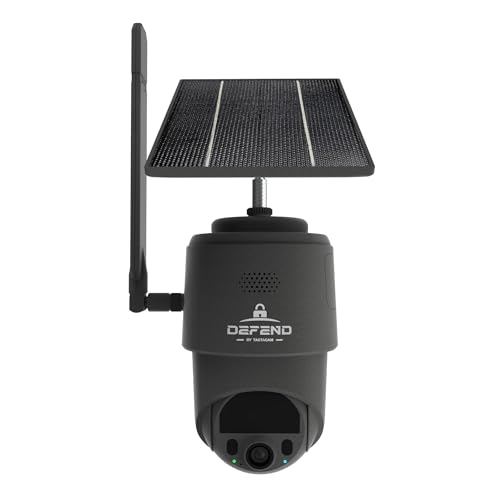 TOP CHOICEBest overallTACTACAM Defend 360 Cellular Security CameraView on Amazon
- 2
 Best for whole-property coverageREOLINK 4K Solar Security Camera with 4G LTEView on Amazon
- 3
 Best for multi-camera wildlife and perimeter watchMoultrie Edge 3 Cellular Trail Camera 2-PackView on Amazon
- 4
 Best for low-light trail monitoringSPYPOINT Flex-M Twin Cellular Trail CameraView on Amazon
Our Top Picks
Quick Comparison
| Product | Best for | Key feature |
|---|---|---|
| TACTACAM Defend 360 Cellular Security Camera | Homeowners wanting a solar-powered, no-Wi-Fi camera with pan and zoom | 360° pan, tilt and zoom with instant alerts |
| REOLINK 4K Solar Security Camera with 4G LTE | Larger properties needing sharp detail across a wide area | Smart auto tracking with pan and tilt |
| Moultrie Edge 3 Cellular Trail Camera 2-Pack | Rural or wooded properties and multi-point monitoring | Two cameras with 0.5-second trigger and HD photos by app |
| SPYPOINT Flex-M Twin Cellular Trail Camera | Dark outdoor areas and low-light activity | Night vision with multi-network LTE connectivity |
TACTACAM Defend 360 Cellular Security Camera
TACTACAM Defend 360 Cellular Security Camera, Solar Power, No WiFi | Rechargeable battery, 4K photo, 1080p video, 360° Pan/Tilt/Zoom,instant alerts, weatherproof, app control trail camera
Best for: Whole-home outdoor monitoring without Wi-Fi
This model suits homeowners who want a self-contained outdoor camera that does not depend on a router near the installation point. It is also a reasonable fit for people monitoring a shed, barn, driveway or vacation property where running cables is impractical.
Key specs
- Cellular connectivity with no Wi-Fi requirement
- Solar power with rechargeable battery backup
- Photo capture at 4K and video at 1080p
- 360° pan, tilt and zoom control
- Weatherproof housing for outdoor use
Pros
- Works without Wi-Fi, which simplifies placement
- Pan, tilt and zoom let you reposition the view remotely
- Solar charging reduces how often you need to swap batteries
Cons
- Cellular service requires an active data plan, and monthly costs add up over time
- Solar charging performance depends on how much direct sun the mounting spot receives
Bottom line: A strong first choice for homeowners who want a camera that runs independently of Wi-Fi and offers flexible viewing angles from a phone.
View on AmazonREOLINK 4K Solar Security Camera with 4G LTE
REOLINK 4K Solar Security Cameras Wireless Outdoor, 4G LTE Cellular Camera | Smart Auto Tracking & Pan Tilt without Blind Spots, Spotlight Color Night Vision, Local/Optional Cloud Storage, Easy Setup
Best for: Wide-area coverage with detailed footage
This option fits properties where a single camera must cover a large yard, a long driveway or a side entrance. Buyers who value sharp image resolution and automated subject tracking will find it especially relevant.
Key specs
- 4G LTE cellular connectivity
- 4K resolution video
- Pan and tilt motion with smart auto tracking
- Color night vision with spotlight
- Local storage with optional cloud storage
Pros
- Auto tracking follows people and vehicles across the frame
- Local storage option can reduce recurring cloud fees
- Color night vision helps with identification after dark
Cons
- Solar-plus-cellular setups require careful sizing of the panel and battery for cloudy regions
- Full feature use typically requires a cellular data plan
Bottom line: Best suited to owners who need high-detail, wide-angle coverage and are willing to spend a little time on panel placement.
View on AmazonMoultrie Edge 3 Cellular Trail Camera 2-Pack
Scout from Anywhere, HD photos via Mobile app, 1080p video, multi-carrier, low-glow flash, GPS, Two Pack Moultrie Edge 3 Cellular Trail Camera – 2-Pack, 40MP, 0.5s Trigger
Best for: Multi-point monitoring on rural or wooded land
Owners of hunting land, farms or large wooded lots often want more than one viewpoint and fast triggering. A two-pack setup makes it practical to cover a trail and a feeding area at once.
Key specs
- Cellular connectivity compatible with multiple carriers
- 0.5-second trigger speed
- 40MP still photos
- 1080p video
- GPS location reporting
Pros
- Two cameras in one package support multi-angle coverage
- Fast trigger speed captures fast-moving subjects
- Low-glow flash is designed to reduce disturbance to wildlife
Cons
- Designed primarily as a trail camera, so the interface is less polished for home security alerts
- Each unit needs its own cellular data plan
Bottom line: The right choice for rural property owners who want two synchronized viewpoints and do not need a traditional home-security layout.
View on AmazonSPYPOINT Flex-M Twin Cellular Trail Camera
Auto Multi Cell-Network, LTE, GPS, Waterproof, 0.5 Second Trigger, 28MP Photo, 720p Video+ Sound, 90Ft Motion Dection & Flash SPYPOINT Flex-M Twin, Cellular Trail Camera, Night Vision, Free Photo Plan
Best for: Low-light and nighttime outdoor monitoring
Anyone monitoring dark areas such as back fields, tree lines or remote gates will benefit from this model’s night-vision and multi-network design. It is also a practical choice for users who want the camera to switch carriers automatically when coverage changes.
Key specs
- LTE cellular with automatic multi-network switching
- GPS location reporting
- Waterproof housing
- 0.5-second trigger speed
- 28MP photos and 720p video with sound
Pros
- Automatic network switching helps maintain signal in areas with uneven coverage
- Night vision supports monitoring after dark
- Waterproof design suits rain and humidity
Cons
- Video resolution is lower than the 4K and 1080p options in this list
- Battery life depends heavily on trigger frequency and photo count
Bottom line: A sensible pick for dark, remote spots where carrier coverage is inconsistent and image sharpness matters less than reliable alerts.
View on AmazonBuying Guide
Cellular Coverage and Data Plans
Before buying, confirm that cellular service is strong at the exact mounting location. Carriers publish coverage maps, but actual signal can vary by a few hundred feet. Check the data plan requirements for each camera, since many cellular cameras need a dedicated plan and monthly costs differ across carriers and tiers. Ask whether the plan allows you to pause service during off-seasons, which can matter for seasonal properties.
Good picks for this: SPYPOINT Flex-M Twin Cellular Trail Camera, Moultrie Edge 3 Cellular Trail Camera 2-Pack
Power Source and Solar Performance
Solar-powered models reduce battery swaps but need adequate sun exposure. Manufacturers typically recommend a south-facing or unobstructed mounting spot in the Northern Hemisphere. Factor in winter daylight hours and tree cover. If your region has long cloudy periods, look for models with larger battery capacity or the option to supplement with external power.
Good picks for this: TACTACAM Defend 360 Cellular Security Camera, REOLINK 4K Solar Security Camera with 4G LTE
Video Resolution and Image Detail
Higher resolution helps with identifying faces, license plates and small objects. A 4K sensor captures more detail when you zoom in on recorded footage, while 1080p is often adequate for general monitoring. Remember that cellular upload bandwidth can limit how much detail arrives on your phone in real time, so check whether the app lets you choose between full-resolution and compressed uploads.
Good picks for this: REOLINK 4K Solar Security Camera with 4G LTE, TACTACAM Defend 360 Cellular Security Camera
Field of View, Pan and Zoom
Measure the area you need to cover before choosing a model. A fixed lens may cover a narrow angle, while pan, tilt and zoom let you aim the camera after installation. Pan-and-tilt units are useful for large yards, but they also consume more battery when moving, so check whether motion is limited to alerts or can be triggered at will.
Good picks for this: TACTACAM Defend 360 Cellular Security Camera, REOLINK 4K Solar Security Camera with 4G LTE
Night Vision and Low-Light Performance
Infrared night vision produces black-and-white images, while color night vision with a spotlight provides more identifying information but can attract attention. Check the stated night-vision range in feet, and note whether a flash or spotlight is included. For wildlife work, low-glow flash designs are generally preferred because they cause less disturbance.
Good picks for this: SPYPOINT Flex-M Twin Cellular Trail Camera, Moultrie Edge 3 Cellular Trail Camera 2-Pack
Weather Resistance and Durability
Look for an ingress protection rating, commonly written as IP followed by two digits. The first digit refers to dust resistance and the second to water resistance. Outdoor cameras in exposed locations should handle rain, snow and temperature swings. Confirm the operating temperature range listed by the manufacturer, especially if you live where winters drop well below freezing.
Good picks for this: SPYPOINT Flex-M Twin Cellular Trail Camera, Moultrie Edge 3 Cellular Trail Camera 2-Pack
Mounting, Placement and Maintenance
Plan mounting height and angle before installing. Many outdoor cameras perform well at roughly 8 to 10 feet high, angled slightly downward, which reduces glare and captures faces better than a view straight across. Clean the lens periodically and check solar panels for dust or leaves. For placement guidance, see Security Camera Mounts, Solar Panels and Memory Cards and Security Camera Night Vision Glare: Causes and Fixes.
Good picks for this: REOLINK 4K Solar Security Camera with 4G LTE, TACTACAM Defend 360 Cellular Security Camera
FAQ
Does a tactacam defend 360 cellular security camera need Wi-Fi?
No. Cellular models connect through a mobile carrier network, so they do not require a home router. You will need an active data plan with a supported carrier and a signal strong enough at the installation spot.
How much cellular data does an outdoor camera use?
Usage depends on how often the camera triggers, the video resolution and whether you request full-resolution photos or clips. Motion-triggered cameras with frequent events and high-resolution uploads use more data. Check the manufacturer’s data estimates and the carrier plan details before choosing a tier.
Can solar power run a cellular camera all year?
In many climates, solar panels can keep the battery charged for most of the year, but winter months with short days, snow cover or heavy tree shade can reduce output. Consider a larger panel, a larger battery or a mounting spot with better sun exposure if you live in a cloudy or northern region.
Is night vision the same as color night vision?
No. Infrared night vision typically produces black-and-white images using invisible light. Color night vision uses a light source, often a spotlight, to capture color footage in darkness. Color images can make identification easier but may be more noticeable to people nearby.
Do cellular cameras need a cloud subscription?
Not always. Some models support local storage on a memory card, which can reduce or eliminate recurring cloud fees. However, you will still need a cellular plan to receive alerts and live views away from home. Check whether the camera records locally, to the cloud or both.
How high should I mount an outdoor security camera?
A common recommendation is roughly 8 to 10 feet, angled slightly downward. This height makes it harder to tamper with the camera while still allowing a clear view of faces and vehicles. Always follow the manufacturer’s mounting instructions and local regulations for installation.
Conclusion
For most homeowners searching for a tactacam defend 360 cellular security camera, the TACTACAM Defend 360 is the most direct fit: self-contained, solar-assisted and easy to aim from an app. Buyers who need sharper detail across a large yard should look at the REOLINK 4K Solar model. Rural landowners wanting two synchronized viewpoints will find the Moultrie Edge 3 two-pack more suitable, while those monitoring dark, remote areas with variable carrier coverage may prefer the SPYPOINT Flex-M Twin. Confirm signal strength and data plan costs at your exact location before committing to any model.
Sources
- How wireless and cellular services are regulated and how consumers can check coverage concerns (fcc.gov)
- Guidance on solar energy basics, including how sun exposure and climate affect panel output (energy.gov)
- Consumer safety guidance on electronic products, batteries and home device use (cpsc.gov)
Related reading
- Wireless Mini Security Camera Picks: 5 Best Options Compared (2026)
- Where to Place Indoor Security Cameras (and Where Not To)
- Top 7 Wireless Miniature Security Cameras for Home Monitoring
About Claire Whitaker
Claire Whitaker is part of our editorial team and reviews and edits our smart home guides, checking product details against manufacturer specifications and owner feedback.