 By Claire Whitaker
Updated November 2026
Electric baseboard heaters are common in apartments, older homes and additions, but they are not designed to work with the thermostats most smart home guides assume. Most baseboard units run on line voltage (120V or 240V) and switch power directly, so a low-voltage smart thermostat will not do the job. The mysa smart thermostat for electric baseboard heaters line is built for this exact situation, and it is the family most owners start with. This guide compares five options that cover the main needs: full scheduling, budget control, multi-ecosystem compatibility and simple manual operation. Each pick was assessed against the same criteria: heater compatibility, voltage rating, scheduling depth, smart platform support, installation requirements and the patterns owners report most often.
Our Top Picks
Our top picks at a glance
- 1
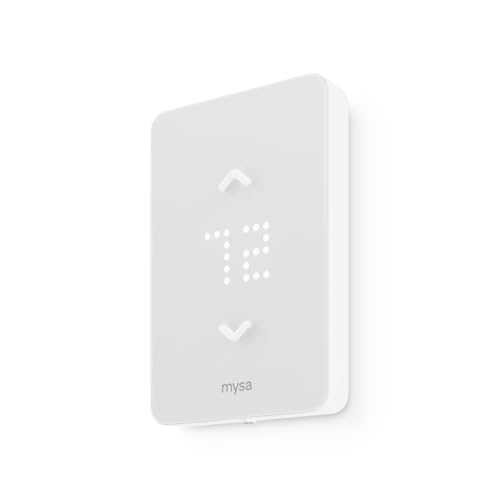 TOP CHOICEBest overallMysa Smart Thermostat LITE for Electric Baseboard HeatersView on Amazon
- 2
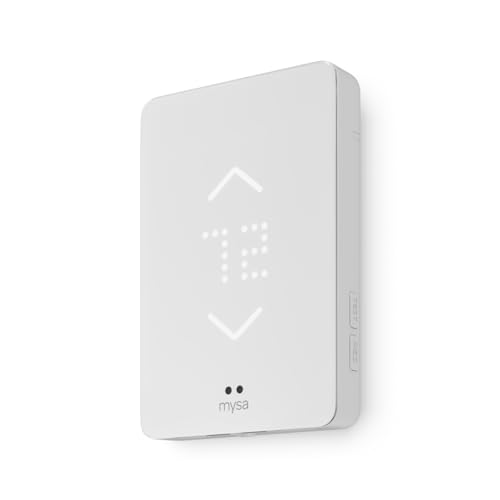 TOP CHOICEBest for in-floor heatingMysa Smart Thermostat for Electric in-Floor HeatingView on Amazon
- 3
 TOP CHOICEBest for HomeKit and Google householdsmeross Smart Thermostat for Electric Baseboard and in-Wall HeatersView on Amazon
- 4
 Best budget pick for schedulingHoneywell Home 5-2 Day Programmable Thermostat Electric Baseboard HeatersView on Amazon
- 5
 Best for simple manual controlNonProgrammable Thermostat for Home, Single-Stage SystemsView on Amazon
Here is a quick look at the five products before the detailed reviews.
Our Top Picks
Quick Comparison
| Product | Best for | Key feature |
|---|---|---|
| Mysa Smart Thermostat LITE for Electric Baseboard Heaters | Most baseboard heater setups | 7-day scheduling with Wi-Fi control |
| Mysa Smart Thermostat for Electric in-Floor Heating | Rooms with in-floor heating cable | Built-in Class A GFCI and floor sensor |
| meross Smart Thermostat for Electric Baseboard and in-Wall Heaters | Households using HomeKit or Google Home | Works with HomeKit, Alexa and Google Home |
| Honeywell Home 5-2 Day Programmable Thermostat Electric Baseboard Heaters | Budget-minded schedule control | 5-2 day programming for weekday and weekend periods |
| NonProgrammable Thermostat for Home, Single-Stage Systems | Users who want no app or schedule | Simple digital temperature control |
Mysa Smart Thermostat LITE for Electric Baseboard Heaters
Mysa Smart Thermostat LITE for Electric Baseboard Heaters | Save Up to 26% on Heating | WiFi Programmable | 7-Day Scheduling | HomeKit, Alexa, Google | 120V-240V
Best for: Most homes with standard electric baseboard heaters that want app control and scheduling Smart Thermostats: How They Save Energy goes further into this.
This is the model most readers with baseboard heaters will want to start with. It is designed for the common case: a 120V or 240V baseboard unit wired directly to a wall control, with no need for a separate heating system or C-wire from a furnace. Its scheduling and smart platform support make it a practical choice for renters and homeowners alike.
Key specs
- Voltage range: 120V–240V
- Wi-Fi programmable with 7-day scheduling
- Works with HomeKit, Alexa and Google
Pros
- Per-room control that suits baseboard systems
- Scheduling covers a full week
- Broad smart home platform support
Cons
- Requires a Wi-Fi network that reaches the wall location
- Subscription features may be needed for some advanced options (check current terms)
Bottom line: The safest starting point for most baseboard heater owners who want smart scheduling and voice control.
View on AmazonMysa Smart Thermostat for Electric in-Floor Heating
Mysa Smart Thermostat for Electric in-Floor Heating | Save on Heating Costs | Built-in Class A GFCI | Include Floor Sensor | WiFi Programmable | HomeKit, Alexa, Google | 120V-240V
Best for: Rooms with electric in-floor heating cable, including bathrooms and tile floors
This model is built for in-floor heating systems rather than baseboard units, but it appears here because owners frequently compare the two lines. It includes a floor sensor, which lets it regulate based on floor temperature as well as air temperature. It suits bathrooms and kitchens where tile can feel cold even when the room is warm.
Key specs
- Voltage range: 120V–240V
- Includes floor sensor
- Built-in Class A GFCI protection
Pros
- Floor sensor improves comfort on tile and stone
- Built-in GFCI protection adds a safety layer
- Wi-Fi programmable with smart platform support
Cons
- Not the right tool for standard baseboard heaters
- Floor sensor placement requires care during installation
Bottom line: Choose this one if your heat source is an electric floor mat or cable, not a baseboard unit.
View on Amazonmeross Smart Thermostat for Electric Baseboard and in-Wall Heaters
meross Smart Thermostat for Electric Baseboard and in-Wall Heaters Work with HomeKit, Alexa and Google Home, 120V-240V Wi-Fi Programmable Thermostat with Easy Install, Energy Saving, 4 Wires Needed
Best for: Households that want HomeKit, Alexa and Google Home in one device
This thermostat targets electric baseboard and in-wall heaters with broad voice assistant support. It is a reasonable option for households that already run a mixed ecosystem and want one device to fit into it without extra bridges.
Key specs
- Voltage range: 120V–240V
- Works with HomeKit, Alexa and Google Home
- Wi-Fi programmable
Pros
- Works across three major voice assistant ecosystems
- Designed for both baseboard and in-wall units
- Straightforward Wi-Fi setup in most reports
Cons
- Owners sometimes report app features varying by platform
- Wiring should be confirmed against your heater before purchase
Bottom line: A good match for multi-ecosystem homes that want one thermostat for every voice assistant.
View on AmazonHoneywell Home 5-2 Day Programmable Thermostat Electric Baseboard Heaters
Honeywell Home 5-2 Day Programmable Thermostat Electric Baseboard Heaters | RLV4305A1000
Best for: Budget-minded users who want weekday and weekend schedules without a smart platform
This is a non-smart programmable thermostat built for electric baseboard heaters. It uses a 5-2 day schedule, meaning one program for weekdays and one for weekends. It will not connect to Alexa or Google, but it gives scheduled control with no app dependence.
Key specs
- Designed for electric baseboard heaters
- 5-2 day programming
- Not a Wi-Fi device
Pros
- Scheduling works without internet access
- Simple to program at the wall
- Well-known brand with established support resources
Cons
- No remote or voice control
- Less schedule flexibility than a 7-day program
Bottom line: The right choice when you want baseboard scheduling and no smart home features at all.
View on AmazonNonProgrammable Thermostat for Home, Single-Stage Systems
NonProgrammable Thermostat for Home,Single-Stage Systems,Digital Energy-Saving Thermostat,1 Heat/1 Cool, Easy DIY Install, White Backlight
Best for: Users who want simple manual temperature control and no schedules or apps
This digital non-programmable thermostat is the most basic option here. It sets a target temperature and holds it, with no time-based programs. It suits secondary rooms, guest spaces or anyone who prefers to adjust the heat by hand.
Key specs
- Single-stage heat and cool
- Digital display with backlight
- Non-programmable
Pros
- Simple, direct operation
- Easy to understand for every household member
- No app or account required
Cons
- No scheduling, so energy savings depend on manual adjustment
- Not designed as a smart device
Bottom line: Pick this if you want the lowest-complexity option and do not need automation.
View on AmazonBuying Guide
Heater Voltage and Wiring
Confirm whether your baseboard heater runs on 120V or 240V before buying. Line-voltage thermostats switch power directly, and the rating on the heater label should match the device. Manufacturers specify voltage ranges for each model, so check the listing against your panel and heater plate.
Good picks for this: Mysa Smart Thermostat LITE for Electric Baseboard Heaters, meross Smart Thermostat for Electric Baseboard and in-Wall Heaters
Scheduling Depth
Some thermostats offer a 7-day program, others a 5-2 day split, and some have no schedule at all. Choose based on how regular your routine is. A 7-day schedule suits households with variable weekday hours.
Good picks for this: Mysa Smart Thermostat LITE for Electric Baseboard Heaters, Honeywell Home 5-2 Day Programmable Thermostat Electric Baseboard Heaters
Smart Platform Support
If you use Alexa, Google Home or Apple HomeKit, check the platform list in the product details before buying. Support can differ by model, and some features may require the manufacturer’s app in addition to the voice assistant.
Good picks for this: meross Smart Thermostat for Electric Baseboard and in-Wall Heaters, Mysa Smart Thermostat LITE for Electric Baseboard Heaters
Floor Sensors and Specialty Heating
In-floor heating needs a thermostat built for that load and often a floor sensor. Using a baseboard model on a floor mat can lead to poor control. Match the device to the heat source you actually have.
Good picks for this: Mysa Smart Thermostat for Electric in-Floor Heating
Wi-Fi Coverage at the Wall
Smart thermostats depend on a steady connection. Check the signal strength at the installation spot before buying, since a weak connection will affect app control and scheduling reliability. Owners often report that a router relocation or extender solves this.
Good picks for this: Mysa Smart Thermostat LITE for Electric Baseboard Heaters, meross Smart Thermostat for Electric Baseboard and in-Wall Heaters
Safety Features
Check whether the device includes built-in ground-fault protection or relies on the circuit for protection. Built-in GFCI features are listed in some product specifications. For wiring questions beyond a basic swap, a licensed electrician should confirm the installation.
Good picks for this: Mysa Smart Thermostat for Electric in-Floor Heating
Manual Operation Needs
Some households want no app, no schedule and no account. A non-programmable model is the simplest route, but energy savings depend on manual changes. Consider who in the home will operate the thermostat day to day.
Good picks for this: NonProgrammable Thermostat for Home, Single-Stage Systems
FAQ
Can I use a smart thermostat with electric baseboard heaters?
Yes, but the thermostat must be rated for line voltage and switch the heater directly. Low-voltage thermostats designed for furnaces are not compatible with most baseboard units.
Do I need a C-wire for a baseboard thermostat?
Many line-voltage baseboard thermostats are powered from the heater circuit and do not require a C-wire from a furnace. Check the wiring diagram for each model, since requirements vary.
Does a smart thermostat save money on baseboard heating?
Savings depend on schedules, room use and climate. Manufacturers often describe potential reductions, but results vary by home. Scheduling and occupancy-based adjustments are the main sources of savings.
Can I control my baseboard thermostat with Alexa or Google?
Some models support Alexa and Google Home, while others do not. Confirm the supported platforms in the product details before buying.
Is professional installation required?
Line-voltage wiring carries real risk. If you are not comfortable working with your electrical panel, consult a licensed electrician for installation.
What is the difference between a programmable and a smart thermostat?
A programmable thermostat follows a fixed schedule set at the device. A smart thermostat adds app control, remote access and often voice assistant support.
Conclusion
For most electric baseboard owners, the Mysa Smart Thermostat LITE for Electric Baseboard Heaters offers the most complete mix of scheduling and smart control. Homes that need in-floor heating should choose the in-floor Mysa model, since its floor sensor and GFCI features match that load. Households running HomeKit, Alexa and Google together may prefer the meross option. The Honeywell 5-2 day model suits users who want schedules without a smart platform, and the non-programmable unit is the simplest choice when automation is not needed.
Sources
- Guidance on home heating controls, thermostat use and energy efficiency (energy.gov)
- Consumer safety information on electric heaters and related product recalls (cpsc.gov)
- Electrical and heating fire safety guidance from a national safety association (nfpa.org)
Related reading
- Smart Thermostats: Learning vs Scheduling, Remote Sensors and Savings Claims
- Smart Thermostat Compatibility: C-Wires and HVAC Systems
- Sensi Touch 2 Smart Thermostat: 5 Best Models Compared (2026)
- How to Install a Smart Thermostat (and Check Compatibility First)
- Ecobee Smart Thermostat Essential: Setup, Wiring and Compatibility Steps
About Claire Whitaker
Claire Whitaker is part of our editorial team and reviews and edits our smart home guides, checking product details against manufacturer specifications and owner feedback.