 By Claire Whitaker
Updated November 2026
A smart home devices comparison usually comes down to one question: should your gear talk over Wi-Fi, or through a dedicated low-power hub? Wi-Fi devices are the simplest to start with and suit a small apartment or a handful of gadgets. Hub-based systems, such as Zigbee, Z-Wave or Matter over Thread, cost more to set up but hold up better in larger homes with many sensors and locks.
| Criteria | Wi-Fi Devices | Hub-Based Devices |
|---|---|---|
| Setup effort | Low: pair through an app | Moderate: hub first, then devices |
| Network load | Higher: every device uses your router | Lower: most traffic stays on the mesh |
| Range and coverage | Depends on Wi-Fi signal at each spot | Mesh extends coverage room to room |
| Cloud dependence | Often high | Varies; local control is often possible |
| Battery-powered sensors | Limited | Strong support |
Setup Effort and Ease of Use
Wi-Fi devices win on simplicity. You download the app, join the device to your network and you are running in a few minutes. Hub-based systems ask you to plug in a hub, connect it to your router and then add each device one at a time. The winner for a first-time user is Wi-Fi, though the hub route rewards patience with a more organized setup later.
Network Load and Reliability
Every Wi-Fi camera, plug and bulb competes for airtime on your router. Owners often report slowdowns when a dozen or more devices share a 2.4 GHz band, especially with video streaming. Hub-based devices use a separate low-power radio, so they add little traffic to your Wi-Fi. The winner for network health is the hub-based approach.
Range, Coverage and Battery Life
Hub-based mesh networks grow stronger as you add mains-powered devices, since each one acts as a relay. Wi-Fi coverage is limited by your router, and battery sensors on Wi-Fi tend to drain faster. For a multi-floor home or sensors in basements and garages, the hub-based system is the clear winner. For a single-level space, Wi-Fi is perfectly adequate.
Cloud Dependence and Privacy
Many Wi-Fi devices route commands through the manufacturer’s cloud, so an internet outage can stop them from responding. Some hub-based systems keep automations running locally. Check the manufacturer’s documentation for local control options before buying, and review account and data settings after setup. The winner here is hub-based, with the caveat that it depends on the specific product.
Pros & Cons
Wi-Fi Devices
- Pro: Quick setup with no extra hardware.
- Pro: Wide selection, including plugs, cameras and doorbells.
- Con: Adds load to your router and depends heavily on Wi-Fi signal.
Hub-Based Devices
- Pro: Mesh coverage and strong battery-sensor support.
- Pro: Less congestion on your home Wi-Fi.
- Con: Requires a hub and more initial configuration.
Which Should You Choose?
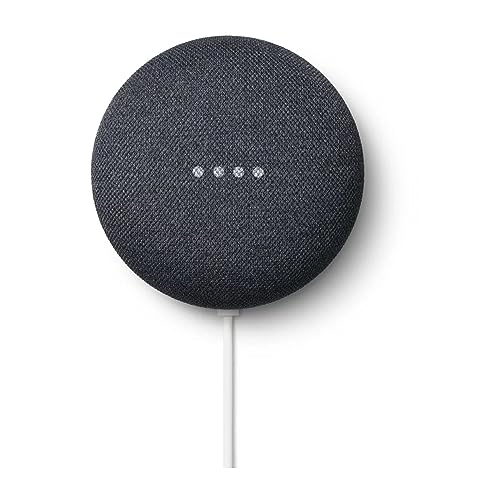
- Choose Wi-Fi devices if you are renting a small space, want a few smart plugs or a single camera, and value a fast start. Try the View on Amazon as a simple entry point.
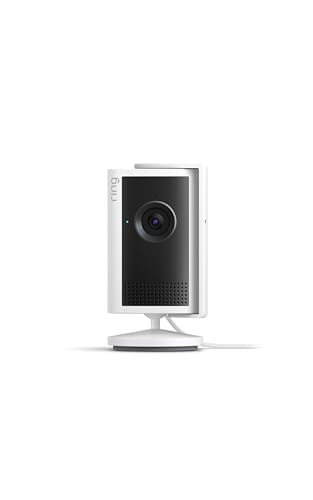
- Choose hub-based devices if you plan to automate many rooms, use door and window sensors, or want local control. The View on Amazon is a common starting point for a Z-Wave network.
For broader context on compatibility, see Smart Home Devices HomeKit: How to Choose and Set Up Compatible Gear and Wi-Fi Smart Home Devices: Strengths, Network Load and Cloud Dependence. If you use Alexa, What Devices Support Alexa: Compatible Smart Home List (2026) lists compatible products.
FAQ
Is a hub necessary for a smart home?
No. Many people run a complete setup on Wi-Fi alone. A hub becomes useful when you add many battery sensors or want mesh coverage across a larger home. For a deeper look, Compare Smart Home Devices (2026): Alexa vs Google Nest for Your Setup covers this in detail.
Will Wi-Fi devices slow down my internet?
They can, mainly when many devices stream video at once. Owners often report better results after moving cameras to a less crowded band or upgrading their router.
Can I mix Wi-Fi and hub-based devices?
Yes. Most platforms, including Alexa and Google Home, can control devices from both types once they are linked in the app. Worth reading next: Smart Home RF Devices vs Wi-Fi Devices (2026): Which Is Better for Your Home?.
Conclusion
For most small homes, Wi-Fi devices offer the fastest route to a working smart home. Larger homes and sensor-heavy setups benefit from a hub-based system with better range and less router congestion. Match the choice to your home size and how much you want to automate.
Related reading
- Yolink Smart Home Devices: A Setup Guide and Compatibility Overview
- What Devices Does Alexa Work With? Compatible Smart Home List (2026)
About Claire Whitaker
Claire Whitaker is part of our editorial team and reviews and edits our smart home guides, checking product details against manufacturer specifications and owner feedback.