 By Claire Whitaker
Updated November 2026
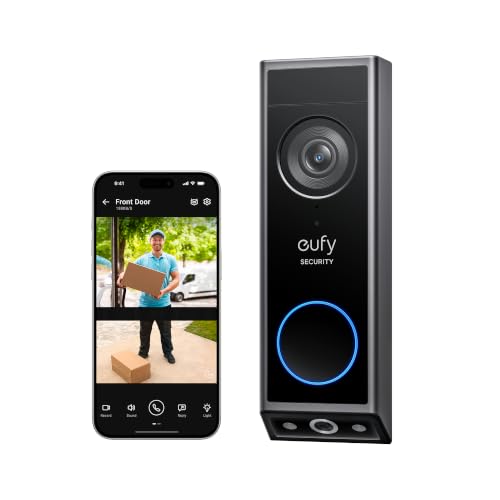
An alternative to Ring Video Doorbell is worth considering if you want a different ecosystem, a different power setup or simply a different feature set. This guide walks you through the factors that matter most, how to match a doorbell to your existing smart home, and what to check before you buy. By the end, you will have a short list of candidates that fit your wiring and voice assistant.
Start With Your Wiring and Power Situation
Your doorbell’s power source narrows the field faster than anything else. Check whether your home has existing low-voltage doorbell wiring, usually running to a transformer, typically rated around 16 to 24 volts AC. If it does, a wired doorbell will provide continuous power and you will not need to charge anything. If you have no wiring, look for a battery model or one that pairs with a solar panel. For more on this tradeoff, see Ring Video Doorbell Wired Installation vs Battery: Which Should You Choose?.
Shopping for one? See our guide: Installing Ring Video Doorbell: 3 Best Models Compared (2026).
Match the Doorbell to Your Voice Assistant and Hub
Most video doorbells work with Alexa or Google Assistant, but support depth varies. Some brands integrate natively with Apple HomeKit, while others require a separate bridge or cloud account. Before buying, confirm that the doorbell supports the assistant you use daily and whether live view, two-way talk and motion alerts work through that platform. Compatibility notes like these are often buried in the spec sheet, so read the platform section carefully.
Check Local Storage Versus Cloud Subscription
Some doorbells record to a microSD card or local hub, while others depend on a monthly cloud plan for event history. Owners often report that cloud-only setups become costly over time if they want long retention, so compare what you actually need: live view only, recent clips, or a full archive. Local storage keeps recordings on-site but requires you to manage the card or hub yourself.
Compare Video Quality, Field of View and Mounting
Resolution is a useful starting point, but field of view and mounting height matter just as much for a front door. Manufacturers typically list horizontal and vertical viewing angles; a wider angle captures more of the porch but can distort faces near the edges. Check whether the doorbell includes a corner or angled mounting option if your door is recessed or set near a wall. Related accessories are covered in Top 3 Ring Video Doorbell Corner Kits for Angled Mounting.
| Factor | What to Look For |
|---|---|
| Power | Existing AC wiring, battery, or solar compatibility |
| Ecosystem | Alexa, Google, HomeKit or a standalone app |
| Storage | Local microSD or hub versus cloud plan |
| Field of view | Horizontal and vertical angle, mounting height |
| Chime support | Compatibility with your existing chime or a standalone one |
Checklist Before You Buy
- Note whether your door has existing doorbell wiring and measure the transformer voltage if you can access it.
- List the voice assistant and hub you already use.
- Decide whether you need recorded history or live view only.
- Measure the mounting spot and confirm the viewing angle covers your walkway.
- Check whether the chime you have will work, or whether you need a separate one.
Common Mistakes to Avoid
- Assuming a doorbell that works with Alexa also supports Google Assistant or HomeKit.
- Skipping the storage question and discovering later that clips require a paid plan.
- Mounting too high or too low, which cuts off faces or angles the view toward the street.
- Ignoring chime compatibility and ending up with a doorbell that does not ring inside.
Recommended Gear
- Doorbell chime kit helps if your existing chime does not work with a new doorbell. View on Amazon
- Doorbell mounting corner kit helps when the door is recessed or the camera needs an angled position. View on Amazon
- Doorbell transformer can help if your existing transformer is too weak to power a wired video doorbell. View on Amazon
FAQ
Can I use a video doorbell without a subscription?
Many models offer live view and two-way talk without a plan, but recorded event history often requires a subscription or local storage. Check the manufacturer’s plan details before you buy.
Will a new doorbell work with my existing chime?
It depends on the chime type and the doorbell’s power requirements. Some chimes work directly, while others need a bypass or a replacement chime. A licensed electrician can confirm safe wiring if you are unsure.
Do I need a hub for a video doorbell?
Some models connect directly to Wi-Fi, while others use a hub for local storage or extended range. Check the product requirements before buying.
Conclusion
The right alternative to Ring Video Doorbell depends on your wiring, your voice assistant and how much you want to pay over time for storage. Work through the checklist, confirm compatibility with your existing setup, and choose a model that fits your door and your ecosystem. Read the platform section and the storage details carefully before you commit.
Related reading
- Wiring Ring Video Doorbell (2026): Which Should You Choose?
- Top 5 Batteries for Ring Video Doorbell Options Compared (2026)
- Top 4 Ring Video Doorbell Products for Every Home Setup
Ready to choose one?
About Claire Whitaker
Claire Whitaker is part of our editorial team and reviews and edits our smart home guides, checking product details against manufacturer specifications and owner feedback.