
 By Claire Whitaker
Updated November 2026
Choosing a smart thermostat for furnace control comes down to three things: whether the unit can talk to your specific furnace, whether your home has the wiring it needs, and whether the app and voice assistant features match how you already run your house. This list compares six models on those points. Each pick was assessed from published specifications, manufacturer compatibility notes, and patterns that owners frequently mention in their reviews. Nothing here reflects personal testing or lab measurements, so check each listing against your own equipment before you buy.
Our top picks at a glance
- 1
 TOP CHOICEBest overallSensi Smart ThermostatView on Amazon
- 2
 TOP CHOICEBest for Alexa householdsAmazon Smart ThermostatView on Amazon
- 3
 TOP CHOICEBest budget pickWiFi Thermostats for Home Smart Thermostat Single-StageView on Amazon
- 4
 Best for compact spacesSensi Lite Smart ThermostatView on Amazon
- 5
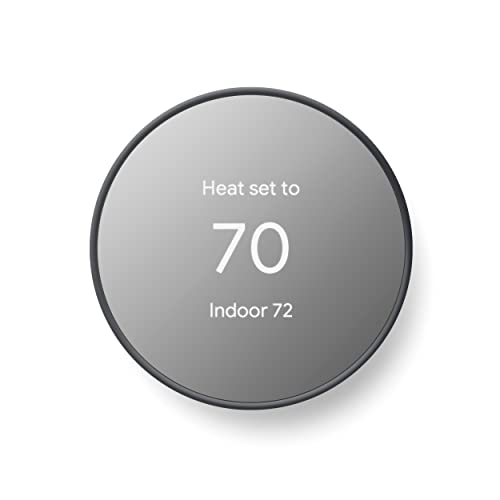 Best for Google Home setupsGoogle Nest ThermostatView on Amazon
- 6
 Best for heat pump and conventional systemsHoneywell Home X2S Smart Wi-Fi ThermostatView on Amazon
Our Top Picks
Quick Comparison
| Product | Best for | Key feature |
|---|---|---|
| Sensi Smart Thermostat | Most DIY installers | Energy Star certification and Alexa support |
| Amazon Smart Thermostat | Alexa and Ring users | Native Alexa and Ring integration |
| WiFi Thermostats for Home Smart Thermostat | Budget-minded buyers | Single-stage heat and cool with app control |
| Sensi Lite Smart Thermostat | Compact spaces and simple setups | Slim profile with Alexa support |
| Google Nest Thermostat | Google Home households | Learning-style scheduling and Google Home control |
| Honeywell Home X2S Smart Wi-Fi Thermostat | Heat pump and conventional systems | Conventional and heat pump compatibility |
Sensi Smart Thermostat
Sensi Smart Thermostat, Wi-Fi, DIY, Alexa, Energy Star Certified, ST55
Best for: Overall reliability for a typical single-zone home
This model suits homeowners who want a straightforward do-it-yourself installation and are comfortable matching wires to terminals. It is a good match for households that already use Alexa and want the thermostat to respond to voice commands.
Key specs
- Wi-Fi connectivity with a companion app
- Energy Star certified, according to the listing
- Alexa compatibility
Pros
- Designed for owner installation with a guided setup process
- Energy Star certification signals third-party efficiency verification
- Works well with Alexa-based routines
Cons
- Owners sometimes report needing to confirm wire labels before installation
- Advanced scheduling features take some time to configure
Bottom line: A sound choice for a DIY-minded homeowner with a conventional furnace and an Alexa-equipped home.
View on AmazonAmazon Smart Thermostat
Amazon Smart Thermostat – Save money and energy – Works with Alexa and Ring – C-wire required
Best for: Households built around Alexa and Ring devices
This thermostat fits people who already run Alexa routines and Ring security products. Its tight integration with those services is the main reason to choose it.
Key specs
- Works with Alexa and Ring
- Requires a C-wire, as stated in the listing
Pros
- Straightforward voice control through Alexa
- Ring integration suits existing smart home setups
- Designed to reduce energy use through schedules
Cons
- The C-wire requirement rules out some older homes without extra work
- Limited value for households not using Alexa or Ring
Bottom line: Best for Alexa and Ring users who have a C-wire or are prepared to add one.
View on AmazonWiFi Thermostats for Home Smart Thermostat Single-Stage
WiFi Thermostats for Home Smart Thermostat Single-Stage 1Heat/ 1Cool, APP Remote Control, 7-Day or 0-Day Programmable. (C-Wire Required)
Best for: Budget-conscious buyers with a single-stage furnace
This model is aimed at homes with a single-stage heating and cooling system. It offers app control and programmable schedules without the extra features of higher-end models.
Key specs
- Single-stage heat and single-stage cool (1H/1C)
- App remote control
- 7-day or 0-day programmable modes, as listed
- C-wire required
Pros
- Covers the core needs of app control and scheduling
- Clear match for single-stage systems
- Simple feature set that is easy to learn
Cons
- Requires a C-wire, which may need an adapter or electrician in older homes
- Fewer advanced features than premium competitors
Bottom line: A practical budget pick for a single-stage furnace with a C-wire in place.
View on AmazonSensi Lite Smart Thermostat
Sensi Lite Smart Thermostat, WiFi, Alexa, DIY, Energy Star Certified, ST25
Best for: Compact installs and simple schedules
The Lite version is positioned as a simpler, lower-profile alternative to the full Sensi model. It suits homeowners who want core smart features without a lot of setup.
Key specs
- Wi-Fi connectivity with app control
- Energy Star certified, according to the listing
- Alexa compatibility
Pros
- Easy to install with a DIY-friendly design
- Energy Star certification
- Works with Alexa for voice control
Cons
- Fewer advanced features than the full Sensi model
- Owners may want to verify C-wire status before purchase
Bottom line: A good fit for a straightforward home that wants smart control without extra complexity.
View on AmazonGoogle Nest Thermostat
Google Nest Thermostat – Smart Thermostat for Home – Programmable Wifi Thermostat – Charcoal
Best for: Google Home users who want a clean, learning-style interface
This model fits households already using Google Home devices. Its scheduling and app experience are built around the Google ecosystem.
Key specs
- Wi-Fi connectivity
- Google Home integration
- Programmable scheduling
Pros
- Strong fit for Google Home households
- Clean interface that owners often describe as easy to read
- Programmable scheduling is straightforward to set up
Cons
- Compatibility depends on your specific furnace and wiring, so check before buying
- Less useful for people outside the Google ecosystem
Bottom line: The natural choice for a Google Home household with a compatible furnace.
View on AmazonHoneywell Home X2S Smart Wi-Fi Thermostat
Honeywell Home X2S Smart Wi-Fi Thermostat, White | Conventional/Heat Pump Compatibility, WiFi Thermostat for Home
Best for: Homes with heat pumps or conventional systems
This thermostat is marketed for both conventional and heat pump systems, which makes it a useful option when your equipment type is not a simple single-stage furnace.
Key specs
- Conventional and heat pump compatibility, as stated in the listing
- Wi-Fi connectivity
Pros
- Broad system compatibility, including heat pumps
- Wi-Fi control from a smartphone
- Established brand with a long history in thermostats
Cons
- Setup can be more involved for heat pump wiring
- Some owners report needing to verify terminal assignments carefully
Bottom line: A strong pick for mixed or heat pump systems where compatibility matters most.
View on AmazonBuying Guide
Check Furnace and System Compatibility
Before anything else, identify whether you have a single-stage, two-stage, or modulating furnace, and whether your system is conventional or a heat pump. Many smart thermostats support only certain combinations. Your furnace model number and the wire labels at the existing thermostat are the two details you need.
Good picks for this: Honeywell Home X2S Smart Wi-Fi Thermostat, WiFi Thermostats for Home Smart Thermostat Single-Stage
Confirm C-Wire Availability
A common wire, usually labeled C, provides constant power to the thermostat. Several models require it. If your existing thermostat cable does not include a C-wire, you may need an adapter kit or a professional installation. Check the label on your current thermostat and the terminal block at the furnace control board.
Good picks for this: Amazon Smart Thermostat, WiFi Thermostats for Home Smart Thermostat Single-Stage
Match Your Voice Assistant Ecosystem
If your home runs on Alexa or Google Home, pick a thermostat that integrates natively with that system. Native integration generally means smoother voice control and routine support than workarounds through third-party bridges.
Good picks for this: Sensi Smart Thermostat, Google Nest Thermostat
Consider Scheduling and Learning Features
Programmable schedules let you set different temperatures for different times of day. Some models offer adaptive or learning features that adjust based on your habits. Decide whether you want to set schedules manually or prefer the thermostat to suggest changes.
Good picks for this: Google Nest Thermostat, Sensi Smart Thermostat
Check Size and Mounting Fit
Most wall-mounted thermostats fit standard electrical or low-voltage boxes, but depth and mounting plate design differ. Measure your existing wall plate and check the manufacturer’s dimensions. Compact models can be easier to fit into tight spaces or older wall boxes.
Good picks for this: Sensi Lite Smart Thermostat, Sensi Smart Thermostat
Evaluate Energy Efficiency Credentials
Energy Star certification indicates that a product meets efficiency criteria set by the U.S. Environmental Protection Agency and Department of Energy. Savings still depend on your habits and climate, so treat certification as a baseline rather than a guarantee of specific bill reductions.
Good picks for this: Sensi Smart Thermostat, Sensi Lite Smart Thermostat
Think About Long-Term Support
Check whether the manufacturer publishes firmware updates and whether the app receives ongoing maintenance. Established brands with a long track record in thermostats tend to offer more predictable support, though no brand guarantees it.
Good picks for this: Honeywell Home X2S Smart Wi-Fi Thermostat, Google Nest Thermostat
FAQ
Will a smart thermostat work with my furnace?
Most smart thermostats work with standard gas, electric, and oil furnaces, but compatibility depends on your system type and wiring. Check the manufacturer’s compatibility list against your furnace model before buying.
Do I need a C-wire for a smart thermostat?
Some models require a C-wire, while others use a power-stealing method or a battery. If your home lacks a C-wire, look for a model that lists support for it or consider an adapter kit.
Can I install a smart thermostat myself?
Many homeowners install smart thermostats on their own, especially with a conventional furnace and clearly labeled wires. If you are unsure about wire identification or line-voltage connections, hire a licensed HVAC technician.
Do smart thermostats save energy?
Savings depend on your schedule, climate, and how you use the thermostat. Energy Star certification signals efficiency standards, but actual results vary from home to home.
What is the difference between a smart and a programmable thermostat?
A programmable thermostat follows a fixed schedule you set on the device. A smart thermostat adds Wi-Fi connectivity, app control, and often voice assistant support, and may offer adaptive scheduling.
Does a smart thermostat work with a heat pump?
Some models support heat pumps, including the Honeywell Home X2S, which lists heat pump compatibility. Heat pump wiring is more involved than standard furnace wiring, so verify terminal requirements carefully.
Should I hire a professional to wire a smart thermostat?
If your existing wiring is damaged, unclear, or lacks the wires your chosen model requires, a licensed HVAC technician or electrician can assess and correct it. This is especially worthwhile for line-voltage systems and older homes.
Conclusion
For most homes with a conventional furnace, the Sensi Smart Thermostat offers a balanced mix of DIY installation, Energy Star certification, and Alexa support. Alexa and Ring households may prefer the Amazon Smart Thermostat, while Google Home users will likely favor the Google Nest Thermostat. Budget-focused buyers with a single-stage furnace and a C-wire can consider the WiFi Thermostats for Home Smart Thermostat. Heat pump and mixed-system owners should look closely at the Honeywell Home X2S. Before buying any of these, confirm your furnace type, wire availability, and ecosystem preference.
Sources
- Guidance on heating and cooling controls and how thermostat settings affect home energy use (energy.gov)
- Energy Star criteria for smart thermostats and what the certification covers (energystar.gov)
- Information on home energy efficiency and indoor climate control (epa.gov)
Before you buy: helpful guides
Related reading
- Smart Thermostats: Learning vs Scheduling, Remote Sensors and Savings Claims
- Smart Thermostat Compatibility: C-Wires and HVAC Systems
- How to Install a Smart Thermostat (and Check Compatibility First)
- Works with Google Home Smart Thermostat: 6 Things to Check Before You Buy (2026)
About Claire Whitaker
Claire Whitaker is part of our editorial team and reviews and edits our smart home guides, checking product details against manufacturer specifications and owner feedback.



