 By Claire Whitaker
Updated November 2026
If you heat your home with electric baseboard heaters, a smart thermostat for baseboard heating can give you room-by-room control, scheduling from your phone, and better temperature consistency than a basic wall dial. The catch is that baseboard heaters are line-voltage devices, so the thermostat has to be rated for that load and wired correctly. This guide compares three Mysa models that are built for electric baseboard systems or that work with them, and explains what to check before you buy.
Our top picks at a glance
- 1
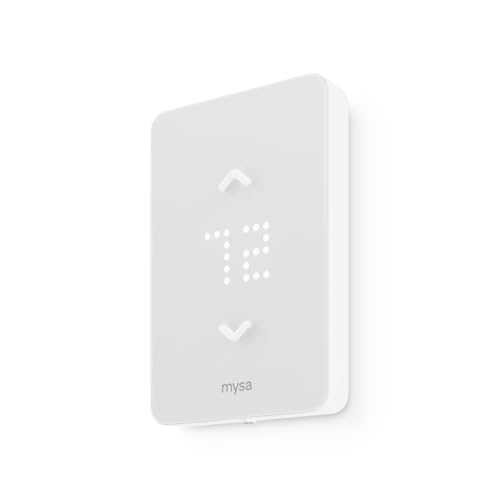 TOP CHOICEBest overallMysa Smart Thermostat LITE for Electric Baseboard HeatersView on Amazon
- 2
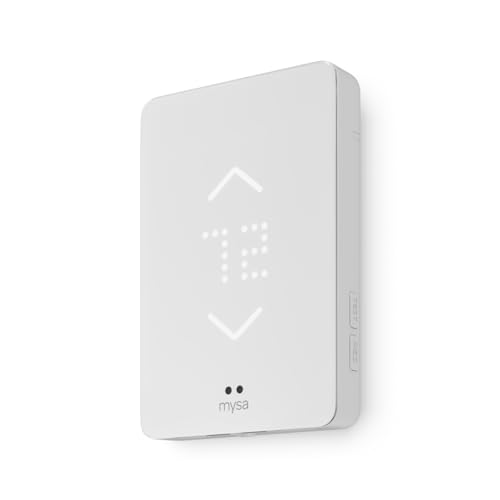 Best for in-floor heating setupsMysa Smart Thermostat for Electric in-Floor HeatingView on Amazon
- 3
 Best for mixed heating and coolingNEW Mysa Smart Thermostat for Heating & CoolingView on Amazon
Our selection criteria were specification fit (voltage rating, load type, and mounting), smart home platform support, scheduling and control features, and patterns that owners commonly report after installation. We did not test these units ourselves. The information below comes from manufacturer listings and the feedback patterns that appear across owner reviews.
Our Top Picks
Quick Comparison
| Product | Best for | Key feature |
|---|---|---|
| Mysa Smart Thermostat LITE for Electric Baseboard Heaters | Standard electric baseboard heating | Designed for baseboard heaters, 7-day scheduling |
| Mysa Smart Thermostat for Electric in-Floor Heating | Electric floor heating systems | Built-in Class A GFCI and floor sensor |
| NEW Mysa Smart Thermostat for Heating & Cooling | Homes that need heating and cooling control | Geofencing and vacation mode |
Mysa Smart Thermostat LITE for Electric Baseboard Heaters
Mysa Smart Thermostat LITE for Electric Baseboard Heaters | Save Up to 26% on Heating | WiFi Programmable | 7-Day Scheduling | HomeKit, Alexa, Google | 120V-240V
Best for: Standard electric baseboard heating
This model suits homeowners and renters with one or more electric baseboard heaters who want app-based scheduling and voice assistant control without rewiring the whole system. It is a good fit for single rooms or small zones where a dedicated thermostat per heater makes sense.
Key specs
- Designed for electric baseboard heaters
- Voltage range listed as 120V–240V
- WiFi programmable with 7-day scheduling
- Works with HomeKit, Alexa, and Google Home
Pros
- Purpose-built for baseboard heater loads, which avoids guesswork about compatibility
- 7-day scheduling lets you set different temperatures for weekdays and weekends
- Works across HomeKit, Alexa, and Google, so it fits most existing smart home setups
Cons
- Single-zone design means each heater needs its own unit for true room control
- Manufacturer energy savings claims depend on your home, climate, and usage habits
Bottom line: The most direct choice for a standard electric baseboard system. If your heaters are the main source of heat, start here.
View on AmazonMysa Smart Thermostat for Electric in-Floor Heating
Mysa Smart Thermostat for Electric in-Floor Heating | Save on Heating Costs | Built-in Class A GFCI | Include Floor Sensor | WiFi Programmable | HomeKit, Alexa, Google | 120V-240V
Best for: Electric in-floor heating setups
This model is aimed at bathrooms, kitchens, and entryways with electric radiant floor mats or cables. Its floor sensor lets you regulate by floor temperature, which matters for comfort on tile or stone surfaces.
Key specs
- Designed for electric in-floor heating
- Includes a floor sensor
- Built-in Class A GFCI protection
- Voltage range listed as 120V–240V
- WiFi programmable with HomeKit, Alexa, and Google support
Pros
- Floor sensor allows control based on floor temperature, not just air temperature
- Built-in GFCI protection is a meaningful safety feature for wet-area installations
- Scheduling and app control match the rest of the Mysa line
Cons
- Designed for floor heating, so it is a poor match for standard baseboard heaters
- Floor sensor placement requires care during installation, and owners often report needing a second look at the wiring
Bottom line: Choose this one for electric floor heat, especially in bathrooms. Do not use it as a general baseboard controller.
View on AmazonNEW Mysa Smart Thermostat for Heating & Cooling
NEW Mysa Smart Thermostat for Heating & Cooling | Programmable WiFi Thermostat | Energy Star Certified | 7-Day Scheduling | Geofencing | Vacation Mode
Best for: Mixed heating and cooling control
This model fits homes that want one thermostat platform for both heating and cooling, such as those with a heat pump or central air alongside electric heat. Geofencing and vacation mode make it useful for households with variable schedules.
Key specs
- Programmable WiFi thermostat for heating and cooling
- Energy Star certified
- 7-day scheduling
- Geofencing and vacation mode
Pros
- Handles both heating and cooling, which simplifies management in mixed systems
- Geofencing adjusts settings when you leave or arrive home
- Energy Star certification signals that the unit meets EPA efficiency criteria
Cons
- Confirm compatibility with your specific heating and cooling equipment before purchase
- Not positioned as a line-voltage baseboard controller, so verify wiring requirements carefully
Bottom line: A strong pick for homes that need heating and cooling control in one device. Verify your system type before buying.
View on AmazonBuying Guide
Confirm the Voltage and Load Type
Electric baseboard heaters typically run on 240V line voltage. Many low-voltage thermostats cannot handle that load. Check the thermostat’s rated voltage and maximum amperage against your heater’s nameplate before you buy. If the rating is unclear, a licensed electrician can confirm it.
Good picks for this: Mysa Smart Thermostat LITE for Electric Baseboard Heaters, Mysa Smart Thermostat for Electric in-Floor Heating
Match the Thermostat to the Heater Type
Baseboard heaters, in-floor mats, and heat pumps have different control requirements. A unit designed for one may not suit another. Match the product to the heat source you actually have, not the one you hope to add later.
Good picks for this: Mysa Smart Thermostat LITE for Electric Baseboard Heaters, NEW Mysa Smart Thermostat for Heating & Cooling
Check Smart Home Platform Support
If you already use Alexa, Google Home, or Apple Home, confirm the thermostat supports your platform. Voice control, routines, and automations vary by ecosystem. Review how each platform integrates before committing.
Good picks for this: Mysa Smart Thermostat LITE for Electric Baseboard Heaters, Mysa Smart Thermostat for Electric in-Floor Heating
Look at Scheduling and Control Options
Seven-day scheduling lets you set separate patterns for weekdays and weekends. Geofencing and vacation mode add flexibility for variable routines. Decide which features will change your daily use before paying extra for them.
Good picks for this: NEW Mysa Smart Thermostat for Heating & Cooling, Mysa Smart Thermostat LITE for Electric Baseboard Heaters
Consider Safety Features
Wet areas such as bathrooms benefit from built-in ground-fault protection. GFCI protection is a common safety feature in electric floor heating controls. Check whether your installation area requires it, and follow local electrical code.
Good picks for this: Mysa Smart Thermostat for Electric in-Floor Heating
Plan for Sensor Placement
Thermostat readings are only as good as the spot they measure. Avoid mounting near exterior walls, direct sunlight, or heat sources. Floor sensors need a clear path and correct placement. Owners often report better results when they test readings for a few days before setting schedules.
Good picks for this: Mysa Smart Thermostat for Electric in-Floor Heating, NEW Mysa Smart Thermostat for Heating & Cooling
Think About Installation and Wiring
Some models require a neutral wire, and others need a different approach. Check your existing wiring before buying. If you are unsure, read about how to install a smart thermostat and consider hiring a licensed electrician for line-voltage work. How to Install a Smart Thermostat (and Check Compatibility First) covers the checks in detail.
Good picks for this: Mysa Smart Thermostat LITE for Electric Baseboard Heaters, Mysa Smart Thermostat for Electric in-Floor Heating
FAQ
Can I use a smart thermostat with electric baseboard heaters?
Yes, but only with a thermostat rated for line-voltage electric heat. Standard low-voltage thermostats are not designed for the 240V load that baseboard heaters draw. Look for models specifically built for baseboard heaters.
Do I need one thermostat per baseboard heater?
Often, yes. Each baseboard heater is usually controlled individually, so a single-zone thermostat typically serves one heater. Some homes use one unit per room for better control. Check your wiring layout before planning the count.
Do smart thermostats for baseboard heating save energy?
Savings depend on your home, climate, insulation, and how you set schedules. Manufacturers may cite savings figures, but results vary. Scheduling lower temperatures when you are away or asleep is the most common source of reduced use.
Do these thermostats work with Alexa and Google Home?
The Mysa models in this guide list support for HomeKit, Alexa, and Google. Confirm current platform support in the product listing before buying, since integrations can change.
What is a floor sensor and do I need one?
A floor sensor measures the temperature of the floor surface and is used with electric in-floor heating. It helps prevent overheating and improves comfort on tile or stone. You only need one for radiant floor systems, not standard baseboard heaters.
Is it safe to install a line-voltage thermostat myself?
Line-voltage wiring carries a serious shock and fire risk if done incorrectly. Unless you are trained and comfortable working with 240V circuits, consult a licensed electrician. Always turn off power at the breaker before any work.
Conclusion
For most homes with standard electric baseboard heaters, the Mysa Smart Thermostat LITE for Electric Baseboard Heaters is the most direct match. If you have electric floor heating, choose the in-floor model, which includes a floor sensor and built-in GFCI protection. If your home needs heating and cooling control in one device, the NEW Mysa Smart Thermostat for Heating & Cooling is worth considering, provided you verify compatibility with your equipment first.
Whichever you choose, confirm voltage ratings, check your wiring, and review your smart home platform support before buying. For wiring basics, see Smart Thermostat Compatibility: C-Wires and HVAC Systems, and for a broader comparison of models, read 5 Best Mysa Smart Thermostats for Electric Baseboard Heating (2026): Our Picks.
Sources
- Guidance on thermostat use, scheduling, and home heating efficiency (energy.gov)
- Energy Star certification criteria for programmable and smart thermostats (energystar.gov)
- Electrical and heating appliance safety information (cpsc.gov)
Related reading
- Smart Thermostats: Learning vs Scheduling, Remote Sensors and Savings Claims
- Sensi Touch 2 Smart Thermostat: 5 Best Models Compared (2026)
About Claire Whitaker
Claire Whitaker is part of our editorial team and reviews and edits our smart home guides, checking product details against manufacturer specifications and owner feedback.