 By Claire Whitaker
Updated November 2026
A line voltage smart thermostat is the right type of control for homes that run electric baseboard heaters, fan-forced wall heaters or other 120V to 240V heating loads, because it switches the full line voltage directly instead of sending a low-voltage signal to a furnace. Choosing one means checking the voltage rating, the number of wires, the thermostat’s load capacity in amps, and whether it works with Alexa, Google Home or Apple HomeKit. The picks below are ranked by how well they match those criteria and by the consistency of owner feedback patterns we found across manufacturer specifications and brand reputation. This is a research-based comparison, not a hands-on test.
Our top picks at a glance
- 1
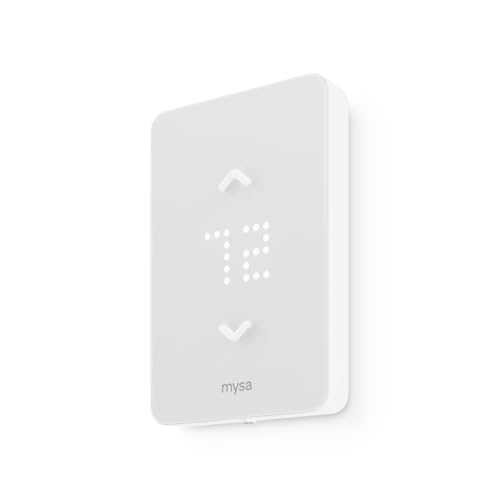 TOP CHOICEBest overallMysa Smart Thermostat LITE for Electric Baseboard HeatersView on Amazon
- 2
 TOP CHOICEBest for whole-house controlKING K902-B Hoot WiFi Line Voltage Smart Programmable ThermostatView on Amazon
- 3
 TOP CHOICEBest for in-wall heatersmeross Smart Thermostat for Electric Baseboard and in-Wall HeatersView on Amazon
- 4
 Best for Energy Star certificationSensi Smart Thermostat, Wi-Fi, DIY, ST55View on Amazon
- 5
 Best budget pickAmazon Smart ThermostatView on Amazon
Our Top Picks
Quick Comparison
| Product | Best for | Key feature |
|---|---|---|
| Mysa Smart Thermostat LITE for Electric Baseboard Heaters | Electric baseboard heaters | 120V–240V with 7-day scheduling |
| KING K902-B Hoot WiFi Line Voltage Smart Programmable Thermostat | Whole-house line voltage systems | 120/208/240V, double pole, 4-wire |
| meross Smart Thermostat for Electric Baseboard and in-Wall Heaters | In-wall electric heaters | HomeKit, Alexa and Google Home support |
| Sensi Smart Thermostat, Wi-Fi, DIY, ST55 | DIY installers wanting Energy Star certification | Energy Star certified, Alexa compatible |
| Amazon Smart Thermostat | Homes with an existing Alexa or Ring setup | Works with Alexa and Ring |
Mysa Smart Thermostat LITE for Electric Baseboard Heaters
Mysa Smart Thermostat LITE for Electric Baseboard Heaters | Save Up to 26% on Heating | WiFi Programmable | 7-Day Scheduling | HomeKit, Alexa, Google | 120V-240V
Best for: Homes with electric baseboard heaters that want a low-profile, app-controlled thermostat. We also found Smart Electric Heat Thermostat (2026): Line Voltage vs Low Voltage Compared useful on this point.
This model is built around the electric baseboard use case. It mounts directly on the heater’s existing wiring and is designed for households that want room-by-room control without rewiring to a central system. Owners of electric baseboard setups often mention it as an upgrade from a mechanical dial.
Key specs
- Voltage range: 120V–240V
- Wi-Fi programmable with 7-day scheduling
- Works with HomeKit, Alexa and Google
Pros
- Designed specifically for electric baseboard heat
- Broad voice assistant and HomeKit support
- Flexible 7-day scheduling for room-by-room control
Cons
- Single-zone design means one unit per heater
- Advanced features depend on the app and Wi-Fi signal strength
Bottom line: The most natural fit for homeowners who want a dedicated baseboard thermostat and broad smart home compatibility.
View on AmazonKING K902-B Hoot WiFi Line Voltage Smart Programmable Thermostat
KING K902-B Hoot WiFi Line Voltage Smart Programmable Thermostat, 120/208/240V, Double Pole, 4-Wire, Black
Best for: Whole-house line voltage systems that need a heavier-duty, multi-voltage thermostat.
This model is listed for 120, 208 and 240V and uses a double-pole, four-wire configuration. It suits electricians and experienced DIY installers working with larger electric heating loads.
Key specs
- Voltage rating: 120/208/240V
- Double-pole, 4-wire configuration
- Wi-Fi programmable
Pros
- Covers 120, 208 and 240V systems
- Double-pole design suits higher-load heating
- Programmable schedules for whole-house use
Cons
- Four-wire requirement can complicate retrofits
- Installation is better suited to a qualified electrician
Bottom line: A strong choice for whole-house line voltage systems where wiring and amperage have been confirmed by a professional.
View on Amazonmeross Smart Thermostat for Electric Baseboard and in-Wall Heaters
meross Smart Thermostat for Electric Baseboard and in-Wall Heaters Work with HomeKit, Alexa and Google Home, 120V-240V Wi-Fi Programmable Thermostat with Easy Install, Energy Saving, 4 Wires Needed
Best for: Households with in-wall electric heaters that want HomeKit, Alexa and Google support.
This thermostat targets electric baseboard and in-wall heaters and is marketed with wide voice assistant compatibility. It is a practical option for smart home users who run more than one ecosystem.
Key specs
- Voltage range: 120V–240V
- Works with HomeKit, Alexa and Google Home
- Requires 4 wires
Pros
- Works with HomeKit, Alexa and Google Home
- Designed for both baseboard and in-wall heaters
- Wi-Fi programmable for scheduled comfort
Cons
- The 4-wire requirement rules out many older wiring runs
- Owners report that setup depends on a stable 2.4 GHz connection
Bottom line: A good pick for mixed-ecosystem homes with in-wall electric heat, provided the wiring includes four conductors.
View on AmazonSensi Smart Thermostat, Wi-Fi, DIY, ST55
Sensi Smart Thermostat, Wi-Fi, DIY, Alexa, Energy Star Certified, ST55
Best for: DIY installers who want an Energy Star certified smart thermostat with Alexa support.
The Sensi line is positioned as a do-it-yourself smart thermostat. Note that the ST55 is generally a low-voltage model, so confirm wiring compatibility carefully before buying for a line voltage heater.
Key specs
- Wi-Fi connected
- Energy Star certified
- Works with Alexa
Pros
- Energy Star certified
- Designed for DIY installation
- Alexa compatible for voice control
Cons
- Not a dedicated line voltage model, so compatibility must be verified
- Fewer ecosystem options than some dedicated line voltage units
Bottom line: Best for homeowners who have confirmed their system is compatible and want an Energy Star certified controller with Alexa support.
View on AmazonAmazon Smart Thermostat
Amazon Smart Thermostat – Save money and energy – Works with Alexa and Ring – C-wire required
Best for: Homes already running Alexa and Ring that want a budget-friendly smart thermostat.
This thermostat is designed to fit into an Amazon-centered smart home. It is a budget pick, but it is primarily built for low-voltage central heating and cooling systems rather than line voltage electric heat.
Key specs
- Works with Alexa and Ring
- Requires a C-wire
Pros
- Integrates with Alexa and Ring
- Budget-oriented design
- Simple voice control
Cons
- C-wire requirement makes it a poor match for most line voltage heaters
- Limited support for electric baseboard systems
Bottom line: Worth considering only if the heating system is confirmed low-voltage with a C-wire and you rely on Alexa and Ring.
View on AmazonBuying Guide
Voltage Rating
Line voltage thermostats are typically rated for 120V to 240V, and some models also list 208V. Check the rating on your heater’s nameplate and confirm the thermostat covers that range before purchase.
Good picks for this: Mysa Smart Thermostat LITE for Electric Baseboard Heaters, KING K902-B Hoot WiFi Line Voltage Smart Programmable Thermostat
Number of Wires
Many line voltage units require four conductors, including line, load and neutral connections. Open the existing thermostat box and count the wires before buying, since missing conductors are a common reason installations fail.
Good picks for this: meross Smart Thermostat for Electric Baseboard and in-Wall Heaters, KING K902-B Hoot WiFi Line Voltage Smart Programmable Thermostat
Amperage and Load Capacity
Compare the thermostat’s maximum load with your heater’s amperage draw. Electric heaters can draw significant current, so the thermostat’s rating must exceed the connected load. The National Electrical Code governs circuit sizing, and an electrician can confirm the requirement.
Good picks for this: KING K902-B Hoot WiFi Line Voltage Smart Programmable Thermostat, Mysa Smart Thermostat LITE for Electric Baseboard Heaters
Smart Home Compatibility
Decide which ecosystem you use before buying. Some models support HomeKit, Alexa and Google Home together, while others are limited to one platform. Confirm the specific assistant and hub you use appear on the product listing.
Good picks for this: meross Smart Thermostat for Electric Baseboard and in-Wall Heaters, Mysa Smart Thermostat LITE for Electric Baseboard Heaters
Wi-Fi and Network Requirements
Most smart thermostats connect over 2.4 GHz Wi-Fi. Test signal strength at the wall location before installing, since electric heater locations are often far from the router. A weak signal can cause missed schedules or delayed app commands.
Good picks for this: meross Smart Thermostat for Electric Baseboard and in-Wall Heaters, Sensi Smart Thermostat, Wi-Fi, DIY, ST55
Energy Efficiency Features
Look for scheduling, occupancy detection or an Energy Star certification. Energy Star indicates the product meets the program’s efficiency criteria, though savings depend on how the heating is used.
Good picks for this: Sensi Smart Thermostat, Wi-Fi, DIY, ST55, Mysa Smart Thermostat LITE for Electric Baseboard Heaters
Installation Difficulty
Line voltage wiring involves dangerous voltages. If you are not comfortable working inside a live electrical box, hire a licensed electrician. Always shut off the breaker and verify no voltage is present before touching any wires.
Good picks for this: KING K902-B Hoot WiFi Line Voltage Smart Programmable Thermostat, Mysa Smart Thermostat LITE for Electric Baseboard Heaters
FAQ
What is a line voltage smart thermostat?
It is a thermostat designed to switch line voltage, typically 120V to 240V, directly to electric heaters such as baseboard or in-wall units. It differs from low-voltage thermostats that control a furnace through a control signal.
Can I use a low-voltage smart thermostat on electric baseboard heat?
Generally no. Low-voltage thermostats are not rated to switch line voltage loads. Using the wrong type can damage the thermostat or create a fire hazard. Check the product’s voltage rating before installing.
How many wires does a line voltage smart thermostat need?
Many models require four wires, though requirements vary by manufacturer. Verify the wire count in the product specifications and count the conductors in your existing box.
Do line voltage smart thermostats work with Alexa and Google Home?
Several models support Alexa, Google Home and Apple HomeKit. Compatibility depends on the specific model, so check the listing for the assistant you use.
Do I need an electrician to install one?
Line voltage wiring carries serious shock and fire risk. If you are unsure about your wiring or amperage, consult a licensed electrician before installation.
Will a smart thermostat lower my electric heating bill?
Savings depend on your schedule, insulation and heating habits. Scheduling and occupancy features can reduce unnecessary runtime, but results vary by household.
Conclusion
For most electric baseboard setups, the Mysa Smart Thermostat LITE is the most direct fit, while the KING K902-B suits whole-house line voltage systems. The meross model is a practical choice for in-wall heaters in mixed-ecosystem homes. The Sensi ST55 and Amazon Smart Thermostat should be chosen only after confirming low-voltage compatibility, and a licensed electrician should verify wiring and amperage before any installation.
Sources
- Guidance on heating equipment efficiency and programmable thermostat use (energy.gov)
- Electrical safety standards and the National Electrical Code framework for circuit sizing (nfpa.org)
- Consumer safety information on electric space heaters and home heating equipment (cpsc.gov)
Related reading
- Top 5 Mysa Smart Thermostats for Electric Baseboard Heaters Compared
- Smart Thermostats: Learning vs Scheduling, Remote Sensors and Savings Claims
- Smart Thermostat No Common Wire: 6 Workarounds That Work (2026)
- Smart Thermostat Compatibility: C-Wires and HVAC Systems
- Smart Thermostat Baseboard Heating: 3 Best Mysa Picks for Electric Heat (2026)
About Claire Whitaker
Claire Whitaker is part of our editorial team and reviews and edits our smart home guides, checking product details against manufacturer specifications and owner feedback.